Posters voor installatie Shima Mousavi-Gargari en andere bijeenkomsten HAN-BES
MULTIFILE
De HAN en ontwikkelaar Schipper Bosch werken in het project de Open Hofkerk samen aan een Smart Energy Hub. 8 woningen hebben een centraal energiesysteem dat straks op een slimme, groene én lucratieve manier de energiebehoeften moet managen.
LINK
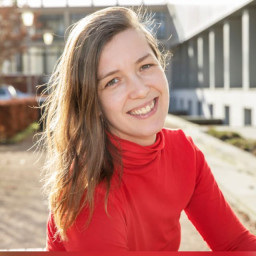
Hoogspanningsnetbeheerder TenneT en de HAN University of Applied Siences in Arnhem zijn verheugd om de verlenging van hun samenwerking voor nog eens 4 jaar te bekrachtigen. Doel is om een nieuwe fase in de energietransitie te bevorderen, zowel op nationaal als Europees niveau. Het moment van ondertekening op 5 juni 2023 met Gerrit Averesch, directeur HAN Academie Engineering en Automotive, Jan-Paul Dijckmans, directeur Strategy & Partnerships bij TenneT, bijzonder lector Shima Mousavi Gargari van HAN Academie Engineering en Automotive
LINK
In tijden van toenemende culturele diversiteit en arbeidsonzekerheid hebben jongeren in Nederlandse en Duitse stadswijken grote behoefte aan richting met betrekking tot hun toekomstige leven. Ouders en leraren lijken zelf vaak te worden overweldigd door de snel veranderende wereld waarin ze leven. Naast deze veranderingen neemt het gebruik van sociale media sterk toe, waardoor de al bestaande generatiekloof nog groter wordt. Deze ontwikkelingen hebben grote gevolgen voor de levensloopperspectieven van jongeren en leiden er vaak toe dat ze meer dan ooit richting zoeken bij hun leeftijdgenoten. In plaats van dit te zien als een problematische situatie, is dit project erop gericht de netwerken van jongeren te gebruiken als bron voor verbetering van de stadswijken. Het basisidee is jonge adolescenten (in de leeftijd van 12-14 jaar) te empoweren via bepaalde leeftijdgenoten die al gerespecteerd, verantwoordelijk en stabiel in het leven staan. Deze ‘homies’ (vier Nederlandse en vier Duitse jongeren) worden getraind en begeleid door experts op het gebied van oplossingsgericht denken en inspirerende communicatie. Daarna gaan de homies aan de slag in hun eigen wijk, waar ze drie maanden actief zullen zijn. De meeste communicatie met hun leeftijdgenoten zal verlopen via mobiele communicatie en sociale medianetwerken. In het begeleidende onderzoek wordt een analyse gemaakt van de leefsituatie van jongeren in de geselecteerde wijken voor en na de tussenkomst van de homies. De homies houden zelf een (mobiel) dagboek bij dat inzicht zal bieden in hoe zij zelf de veranderingen bij de jongeren in hun wijk zien.
Mensen die moeite hebben met lezen en schrijven (laaggeletterden) zijn ondervertegenwoordigd in onderzoek, waardoor een belangrijke onderzoekspopulatie ontbreekt. Dit is een probleem, omdat zorgbeleid dan onvoldoende op hun behoeften wordt aangepast. Laaggeletterden hebben vaak een lage sociaal economische positie (SEP). Mensen met een lage SEP leven gemiddeld 4 jaar korter en 15 jaar in minder goed ervaren gezondheid vergeleken met mensen met een hoge SEP. Om laaggeletterden te betrekken in onderzoek, is het o.a. nodig om onderzoek toegankelijker te maken. Dit project draagt hieraan bij door de ontwikkeling van een toolbox voor toegankelijke (proefpersonen)informatie (pif) en toestemmingsverklaringen. We ontwikkelen in co-creatie met de doelgroep toegankelijke audiovisuele materialen die breed ingezet kunnen worden door (gezondheids)onderzoekers van (zorggerelateerde) instanties/bedrijven én kennisinstellingen voor de werving voor en informatieverstrekking over onderzoek. In de multidisciplinaire samenwerking met onze partners YURR.studio, Pharos, Stichting ABC, Stichting Crowdience, de HAN-Sterkplaats en de Academische Werkplaats Sterker op eigen benen (AW-SOEB) van Radboudumc stellen we de behoeften van de doelgroep centraal. Middels creatieve sessies en gebruikerservaringen wordt in een iteratief ontwerpende onderzoeksaanpak toegewerkt naar diverse ontwerpen van informatiebrieven en toestemmingsverklaringen, waarbij de visuele communicatie dragend is. Het ontwikkelproces biedt kennisontwikkeling en hands-on praktijkvoorbeelden voor designers en grafisch vormgevers in het toegankelijk maken van informatie. Als laaggeletterden beter bereikt worden d.m.v. de pif-toolbox, kunnen de inzichten van deze groep worden meegenomen. Dit zorgt voor een minder scheef beeld in onderzoek, waardoor (gezondheids)beleid zich beter kan richten op kwetsbare doelgroepen. Hiermee wordt een bijdrage geleverd aan het verkleinen van gezondheidsverschillen.
Patiëntdata uit vragenlijsten, fysieke testen en ‘wearables’ hebben veel potentie om fysiotherapie-behandelingen te personaliseren (zogeheten ‘datagedragen’ zorg) en gedeelde besluitvorming tussen fysiotherapeut en patiënt te faciliteren. Hiermee kan fysiotherapie mogelijk doelmatiger en effectiever worden. Veel fysiotherapeuten en hun patiënten zien echter nauwelijks meerwaarde in het verzamelen van patiëntdata, maar vooral toegenomen administratieve last. In de bestaande landelijke databases krijgen fysiotherapeuten en hun patiënten de door hen zelf verzamelde patiëntdata via een online dashboard weliswaar teruggekoppeld, maar op een weinig betekenisvolle manier doordat het dashboard primair gericht is op wensen van externe partijen (zoals zorgverzekeraars). Door gebruik te maken van technologische innovaties zoals gepersonaliseerde datavisualisaties op basis van geavanceerde data science analyses kunnen patiëntdata betekenisvoller teruggekoppeld en ingezet worden. Wij zetten technologie dus in om ‘datagedragen’, gepersonaliseerde zorg, in dit geval binnen de fysiotherapie, een stap dichterbij te brengen. De kennis opgedaan in de project is tevens relevant voor andere zorgberoepen. In dit KIEM-project worden eerst wensen van eindgebruikers, bestaande succesvolle datavisualisaties en de hiervoor vereiste data science analyses geïnventariseerd (werkpakket 1: inventarisatie). Op basis hiervan worden meerdere prototypes van inzichtelijke datavisualisaties ontwikkeld (bijvoorbeeld visualisatie van patiëntscores in vergelijking met (beoogde) normscores, of van voorspelling van verwacht herstel op basis van data van vergelijkbare eerdere patiënten). Middels focusgroepinterviews met fysiotherapeuten en patiënten worden hieruit de meest kansrijke (maximaal 5) prototypes geselecteerd. Voor deze geselecteerde prototypes worden vervolgens de vereiste data-analyses ontwikkeld die de datavisualisaties op de dashboards van de landelijke databases mogelijk maken (werkpakket 2: prototypes en data-analyses). In kleine pilots worden deze datavisualisaties door eindgebruikers toegepast in de praktijk om te bepalen of ze daadwerkelijk aan hun wensen voldoen (werkpakket 3: pilots). Uit dit 1-jarige project kan een groot vervolgonderzoek ‘ontkiemen’ naar het effect van betekenisvolle datavisualisaties op de uitkomsten van zorg.